
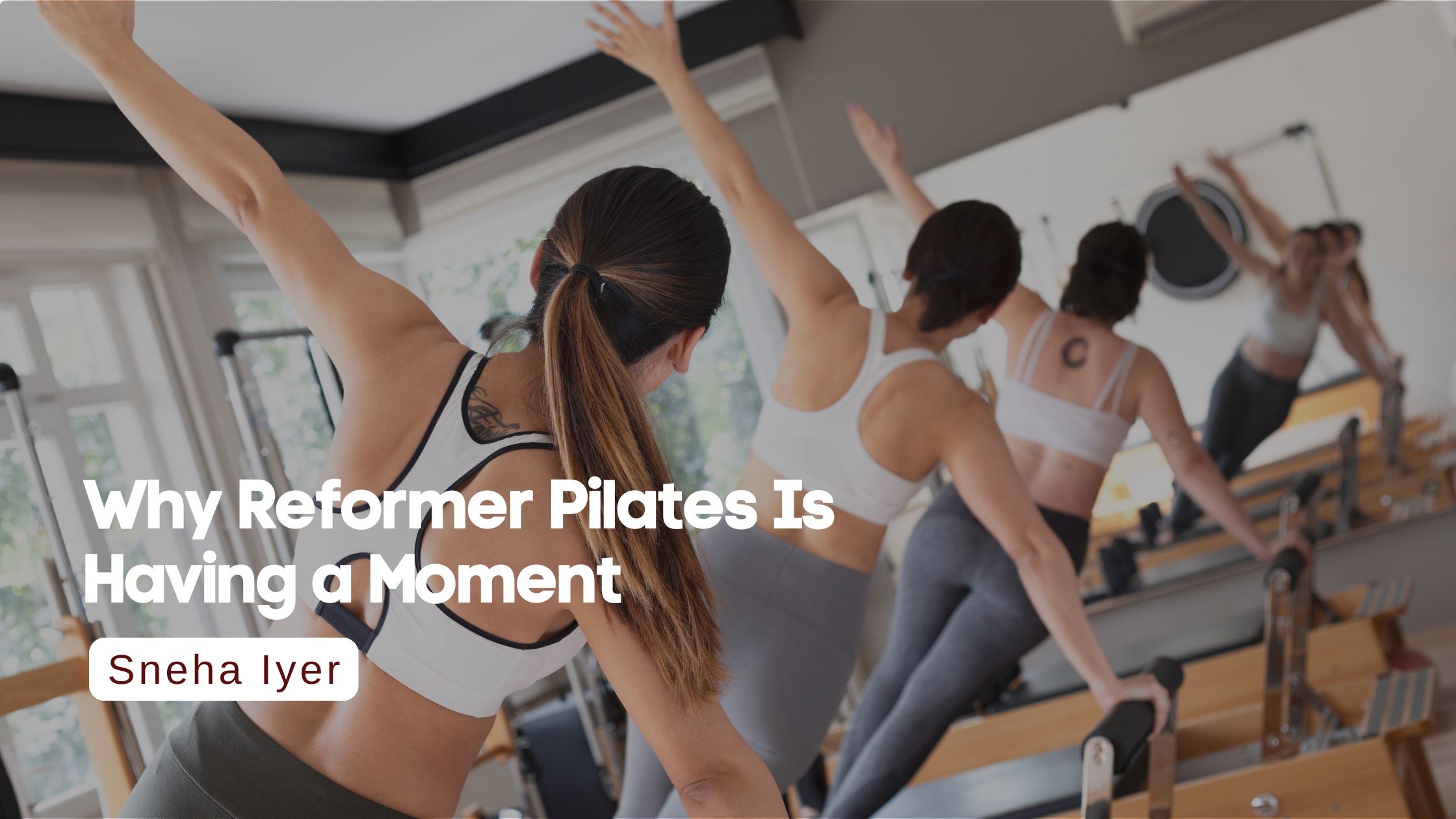
Walk past any boutique fitness studio today and you’re likely to see a room full of reformers — the spring-loaded machines that once lived quietly in physical therapy clinics and dance studios. Reformer Pilates has become one of the most talked-about workouts in wellness circles, and unlike many fitness trends, its popularity is backed by real, lasting benefits.
What Makes Reformer Pilates Different
Unlike mat Pilates, the reformer uses a sliding carriage, adjustable springs, and a system of straps and pulleys to add resistance and support simultaneously. This combination allows for a wider range of movement patterns, more precise muscle targeting, and modifications that make the practice accessible whether you’re a total beginner or an advanced athlete.
A Full-Body, Low-Impact Workout
One of the biggest draws of reformer Pilates is that it builds strength, flexibility, and stability without the joint impact associated with running or high-intensity training. The spring resistance provides a workout that challenges muscles through their full range of motion while remaining gentle on joints, making it a sustainable long-term practice rather than something you burn out on.
The Core Connection
While reformer Pilates works the entire body, it’s especially effective at building deep core strength — not just the visible abdominal muscles, but the deeper stabilizing muscles that support posture and spinal health. Many people find that consistent practice improves everyday movement, from how they sit at a desk to how they carry groceries.
Why It Resonates Where Other Practices Haven’t
For people who have tried yoga and found it doesn’t click, reformer Pilates often fills that gap. It offers a similarly mindful, breath-connected approach to movement, but with a more structured, active format that can feel more engaging for those who prefer a workout with visible resistance and clear physical feedback.
The Mental Benefits Are Real, Too
Like most forms of intentional movement, reformer Pilates supports mental wellbeing. The focus required to coordinate breath, alignment, and controlled movement creates a natural mindfulness practice, pulling attention fully into the present moment. Many practitioners describe the 45-to-55-minute class as one of the few times all week their mind feels completely quiet.
Building Consistency
Because reformer Pilates is low-impact, it’s easier to attend consistently without the recovery time often needed after higher-intensity workouts. This consistency compounds over time, leading to noticeable improvements in strength, posture, and flexibility within a matter of months.
Getting Started
If you’re curious about trying reformer Pilates, most studios offer beginner-friendly introductory classes or private sessions to learn proper form before joining group classes. Communicating any injuries or limitations to your instructor beforehand ensures the springs and exercises are appropriately adjusted for you.
Choosing Between Studio and Private Sessions
Group classes tend to be more affordable and offer a sense of community, while private sessions allow for more individualized attention to form and modifications, which can be especially valuable in the first few months. Many people find a combination of both — starting with a handful of privates before transitioning to group classes — offers the best balance of proper technique and long-term affordability.
The Takeaway
Reformer Pilates isn’t just a passing trend — it’s a genuinely effective, sustainable practice that builds strength, improves posture, and offers real mental clarity. For anyone who has struggled to find a movement practice that sticks, it’s well worth trying.